Sustaining Peak Physicality: GMS Protocols for Deep-Sea Industrial Salvage Operators
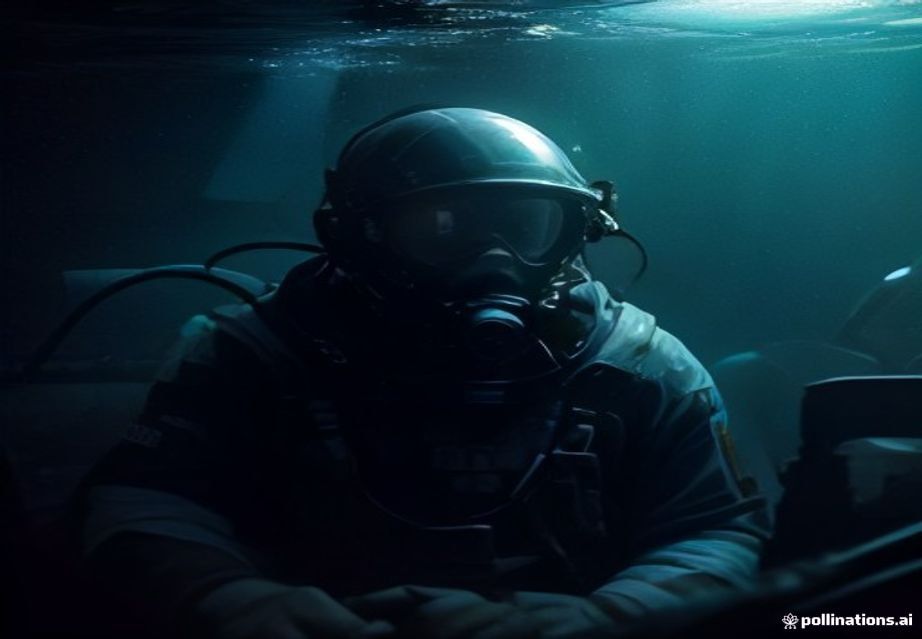
Mastering the Operational Edge: Pre-Deployment Physical Readiness for Salvage Specialists
The nature of deep-sea industrial salvage demands a physical capacity that transcends standard athletic training. It is not merely about strength or cardiovascular endurance; it is about maintaining peak physiological function under conditions of extreme stress—low visibility, high pressure, unpredictable currents, and prolonged physical exertion in confined spaces. The primary goal of any specialized training regimen, including a comprehensive gms trainingsplan, must be resilience: the ability to perform complex, high-intensity tasks when the body and mind are already taxed by the environment.
To start acting on this knowledge today, focus immediately on optimizing your core stability and grip strength. These two areas are often overlooked in favor of flashy power lifts, yet they are the linchpins of stability when hauling heavy, awkward loads in zero-visibility environments. Before attempting any heavy lifting simulation, dedicate 15 minutes to anti-extension core work (like weighted planks or ab wheel rollouts) followed by dedicated grip work using varied implements (e.g., rope climbs, farmer’s carries). This immediate focus builds the foundational robustness necessary to prevent injury and maintain power output when the stakes are highest.
The Biomechanics of High-Pressure Environment Movement
Salvage operations require a unique blend of movements: pulling, lifting, pushing, and navigating tight, often debris-filled spaces. Standard gym routines often fail to replicate the asymmetrical, multi-planar nature of these tasks. The body must function optimally when one limb is compromised, or when the surface beneath the feet is unstable. Therefore, training must emphasize functional movement patterns that mimic real-world stressors.
Consider the movement chain when you are pulling a massive piece of wreckage across a muddy, uneven seabed. This action engages the lats, traps, forearms, core, and stabilizing muscles in the hips—all simultaneously and under immense resistance. A targeted approach involves incorporating sled pushes and pulls, but crucially, these must be varied. Instead of simply pulling straight, simulate diagonal drags or lateral shoves to engage the full kinetic chain. For example, if a salvage team needs to move a massive, submerged pump housing, the required movement is not a straight pull, but a combination of bracing, leverage, and lateral pushing.
Specialized Conditioning for Low-Visibility, High-Stress Endurance
Endurance in a salvage context is not measured in miles run, but in hours of sustained, high-effort work punctuated by periods of adrenaline-fueled bursts. The psychological aspect of operating in low-visibility, high-stakes environments—where every movement is critical and potential failure is catastrophic—is as taxing as the physical work itself. Training must incorporate controlled stressors that simulate this mental fatigue.
A key element of deep-sea readiness is developing metabolic efficiency under duress. This means moving beyond simple steady-state cardio and embracing high-intensity interval training (HIIT) that simulates the stop-start nature of the work. For instance, a training circuit could involve:
- Phase 1 (Lift): 30 seconds of weighted kettlebell carries (mimicking lifting debris).
- Phase 2 (Navigate): 45 seconds of battle rope slams or high-knee sprints (mimicking traversing uneven ground).
- Phase 3 (Stabilize): 30 seconds of single-leg box steps (mimicking navigating unstable footing).
This circuit, repeated multiple times, forces the body to recover and maintain power output rapidly, replicating the physical demands of an emergency situation where rest is not an option.
Grip, Forearm, and Upper Body Resilience Protocols
The hands, forearms, and grip are arguably the most critical, yet most vulnerable, parts of the salvage worker’s body. They are constantly subjected to immense frictional stress, pulling against rusted metal, rough concrete, and wet, abrasive debris. Ignoring these smaller muscle groups leads to debilitating overuse injuries that sideline operators when they are needed most.
To build true resilience, the training must focus on varied grip types. It is insufficient to simply deadlift heavy weights; the grip must be challenged in ways that mimic the job. Incorporate:
- Crushing Grip: Squeezing large, awkward objects (e.g., thick PVC pipes or heavy chains) for extended periods.
- Pinching Grip: Lifting objects using only the thumb and forefinger (e.g., lifting heavy metal plates by their edges).
- Support Grip: Maintaining a secure hold on a railing or beam for long durations while moving (e.g., farmer’s carries over long distances).
A concrete example of this protocol in action: When an operator needs to stabilize a shifting piece of piping while a teammate cuts it free, the grip strength must be instantaneous and overwhelming. Training that emphasizes these varied grips ensures that the failure point is not the hand, but the operator's decision-making. If you are looking for ways to build robust, specialized physical skills that can translate into real-world operational advantages, you may find the structured learning available at https://buildngoacademy.com/.
Integrating Mobility and Injury Prevention into the Routine
Peak performance is unsustainable without a rigorous commitment to mobility and recovery. The extreme physical demands of salvage work lead to predictable patterns of tightness and restricted range of motion, particularly in the hips, thoracic spine, and shoulders. Ignoring these areas creates chronic imbalances that increase the risk of acute injury when the body is under maximum load.
A proactive approach to mobility involves treating the body as a system that needs constant recalibration. This is not merely stretching; it is actively restoring optimal joint mechanics. For the hips, which bear the brunt of awkward lifting and deep knee flexion, daily routine should include controlled hip flexor stretches and pigeon pose variations. For the thoracic spine, which must maintain extension while pulling or pushing, foam rolling and cat-cow stretches are essential to restore natural curvature.
Furthermore, recovery protocols must be as regimented as the training itself. This includes prioritizing deep sleep, managing nutritional intake to support connective tissue repair, and implementing active recovery methods like contrast hydrotherapy (alternating hot and cold exposure) to manage inflammation and improve blood flow.
The Mental Game: Cognitive Load and Physical Output
The most sophisticated physical training plan is useless if the operator cannot maintain composure and make sound decisions while exhausted, stressed, and operating in darkness. This is the cognitive load component of deep-sea salvage. The ability to perform complex calculations, communicate clearly, and execute precise movements under physical duress is the ultimate measure of readiness.
To train for this, specialized drills must integrate mental tasks with physical exertion. For instance, instead of simply performing a weighted carry, the operator must simultaneously recite a checklist of safety protocols or calculate the estimated weight of the debris they are moving. This forced dual-tasking elevates the metabolic and cognitive demands, simulating the reality of the job.
This comprehensive, multi-faceted approach—addressing biomechanics, endurance, grip, mobility, and cognition—is the only way to build a truly resilient professional.
Developing a tailored gms trainingsplan requires expert oversight to ensure that the physical intensity matches the operational demands and that recovery is prioritized equally with the effort.
Consult with a professional specialist to design a readiness protocol specific to your operational environment.
Ready to turn searches into booked jobs?
Global Muscle Summit — expert guides and resources.