Sustaining Endurance in Remote Environments: A GMS Protocol for Marine Field Researchers
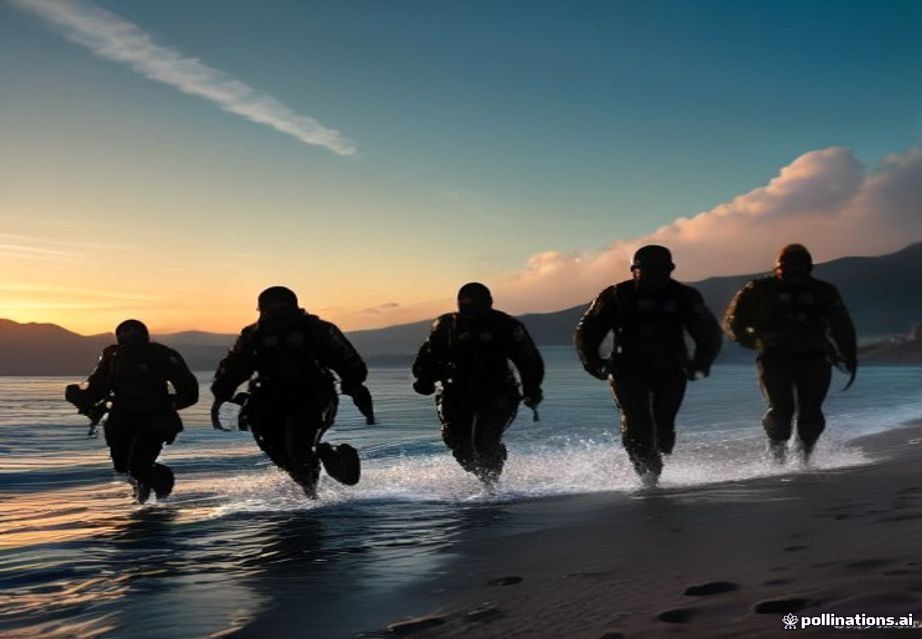
The Principle of Functional Adaptation: Preparing the Body for the Unpredictable Marine Environment
The difference between a fitness routine and operational readiness is the gap between a controlled gym environment and the open ocean. For marine field researchers, oceanographers, and deep-sea biologists, physical performance is not measured by lifting a maximal weight; it is measured by sustained functional capacity under duress. Your body must be ready to haul heavy equipment up slick, uneven terrain, operate manual winches for hours, and maintain core stability while battling unpredictable vessel pitching—all while dealing with variable sleep patterns and nutrient-poor rations. The immediate action you can take today is to audit your current fitness routine and eliminate any exercise that does not mimic a multi-joint, load-bearing movement pattern. If you are only performing isolated bicep curls or leg extensions, you are training for a machine, not for the mission.
True endurance in this context is not merely aerobic capacity; it is the ability of your connective tissues, stabilizing muscles, and central nervous system to resist fatigue when faced with unpredictable, multi-directional stressors. Consider the scenario of a coastal survey: you may spend the morning wading through knee-deep, slippery tide pools, followed by hours of manual data logging on a pitching research vessel, and ending with a physical extraction of samples using a specialized hoist. This requires a vastly different physiological profile than a standard marathon runner or weightlifter. The key is developing resilience through specific, compound movements that build transferable strength.
Mastering Grip and Core Stability: The Unsung Heroes of Field Work
In marine environments, grip strength and deep core stability are often the limiting factors, far more so than pure leg power. When you are handling wet, cold, heavy sampling equipment, or bracing against a sudden shift in a boat’s momentum, your hands and core are constantly engaged in stabilizing roles. A weak grip translates directly into a loss of control, increasing the risk of injury or equipment failure. Therefore, training must move beyond simple finger exercises and incorporate sustained, isometric loading that mimics the actual task.
To improve this foundational stability, incorporate protocols that force your body to stabilize against external, unpredictable forces. A highly effective example is practicing kettlebell carries or farmer’s walks using uneven terrain or specialized grip tools. If you are working on a vessel, simulating this by carrying weighted items while standing on a slightly unstable surface (like a balance board or even a stack of uneven crates) forces the deep abdominal and lumbar muscles to fire constantly. Furthermore, integrating loaded carries into your routine—walking with weights in both hands, or even single-arm carries—significantly improves overall posture and spinal resilience, which is critical when spending long periods bent over data tables or sample trays.
Adapting Strength Training for Variable Loads and Terrain
The traditional gym setup assumes stable, predictable flooring and weights. Field work, however, involves variable loads, uneven footing, and often requires moving through resistance (e.g., dragging a trawl net, climbing muddy banks). Your training must therefore prioritize movements that build power through ranges of motion that are not linear. This means focusing heavily on eccentric loading—the controlled lowering phase of a lift—because the eccentric phase is where connective tissues build the most resilience against real-world impact.
A perfect real-world example is the process of deploying and retrieving a submersible ROV (Remotely Operated Vehicle). This task involves pulling cables and equipment through varied resistance and often requires stabilizing oneself while managing heavy, shifting loads. To replicate this, incorporate movements like single-leg Romanian Deadlifts (RDLs) with resistance bands or weighted backpacks, ensuring that the knee and ankle are constantly compensating for the uneven base. Another crucial element is developing explosive, yet controlled, hip power through plyometrics that involve directional changes, such as lateral bounding or weighted box jumps. By focusing on these compound, multi-planar movements, you move beyond simply building muscle mass and begin building genuine, adaptable power.
The Critical Role of Recovery and Metabolic Resilience
In remote deployments, the concept of "recovery" is often misunderstood. It is not simply the absence of work; it is the strategic management of energy expenditure and the proactive repair of micro-tears in muscle tissue. When living off-grid or in austere conditions, the quality of sleep, the nutrient density of the diet, and the ability to manage chronic, low-grade stress become the primary performance determinants. Ignoring recovery means that even the most perfectly designed training plan will fail to deliver sustained results.
Metabolic resilience—the ability of your body to efficiently process fuel (fat, glycogen, protein) and manage inflammation—is paramount. This requires a holistic approach that includes more than just protein shakes. Focus on nutrient timing, ensuring that complex carbohydrates are consumed before intense activity to top off glycogen stores, and incorporating anti-inflammatory foods immediately post-exertion. For instance, if a deployment involves intense physical labor followed by days of poor sleep, supplementing with magnesium and ensuring adequate Omega-3 intake can dramatically reduce systemic inflammation, allowing your muscles to repair faster and maintain a higher baseline of function. For detailed guidance on structuring physical goals, reviewing personalized workout plans and coaching resources can provide a necessary framework.
Protocolizing Endurance: From Training Cycle to Deployment Readiness
The ultimate goal is not to be fit for a single week, but to be ready for the entire deployment cycle, which might span weeks or months. This requires moving away from linear, block training (e.g., "three weeks of pure cardio, followed by three weeks of pure lifting") and adopting a cyclical, periodized approach that systematically varies the intensity and focus. A robust protocol must cycle through periods of high volume (building work capacity), periods of high intensity (improving peak power), and, crucially, planned deloading weeks (allowing the central nervous system to recover).
A concrete example of this cyclical planning is integrating specific "mission simulation" days into your weekly schedule. If the next deployment involves extensive climbing, dedicate a training session to vertical movements, even if it feels redundant. If the next phase involves long periods of sitting or stationary monitoring, incorporate daily mobility work and core anti-rotation exercises to prevent stiffness and maintain spinal health. This systematic, anticipatory planning is the hallmark of operational readiness. For comprehensive planning that integrates these varied physical demands, reviewing available fitness packages can provide a structured starting point.
The Integration of Mobility and Anti-Stress Techniques
Finally, we must address the often-overlooked elements of mobility and stress management. In a marine environment, the combination of cold, damp conditions, physical strain, and psychological isolation can rapidly lead to chronic stiffness and increased cortisol levels. Mobility work—the active movement of a joint through its full, pain-free range—is not just stretching; it is actively maintaining the integrity of the joint capsule and surrounding musculature.
Incorporating dynamic warm-ups that focus on hip and shoulder mobility before every session is non-negotiable. Furthermore, recognizing the psychological strain is part of the physical protocol. Techniques like controlled breathing exercises or brief mindfulness sessions, even when deployed, help regulate the autonomic nervous system. By treating mobility and stress management as core components of the physical protocol, you build a system that is not only strong but adaptable, resilient, and sustainable over the longest of assignments.
To begin structuring a comprehensive, mission-specific approach to physical readiness, explore detailed preparation options available through the Global Muscle Summit.
When your training reflects the complexity and unpredictability of your work, your body will follow suit.
Ready to turn searches into booked jobs?
Global Muscle Summit — expert guides and resources.