Sustained Readiness: Developing a GMS Training Plan for Law Enforcement Officers
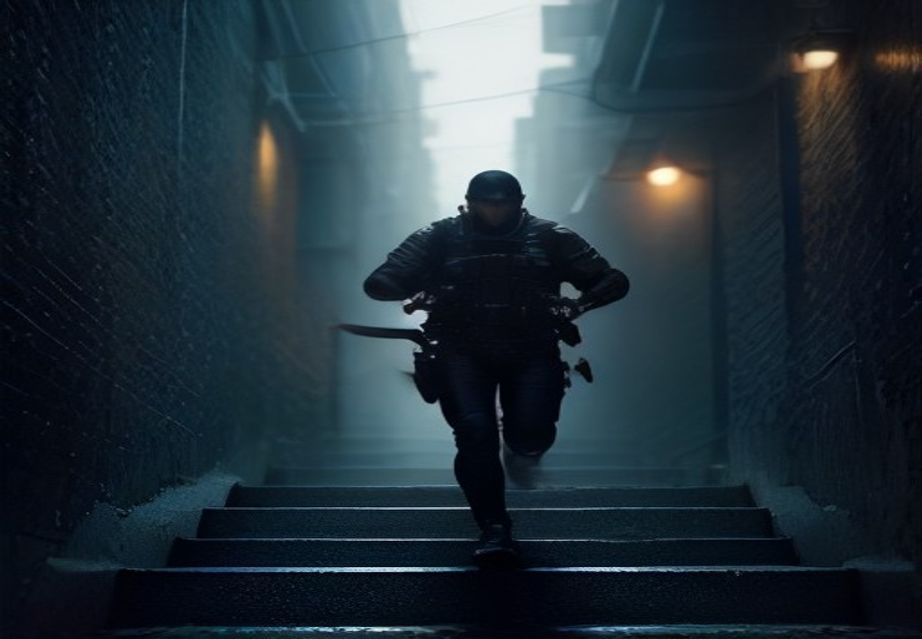
The Critical Difference: General Fitness vs. Operational Readiness
For most people, fitness is measured by aesthetic goals or the ability to run a 5k. For law enforcement and public safety personnel, fitness is not a metric of appearance; it is a direct measure of operational endurance and reliability under extreme duress. The difference between general gym fitness and mission-critical endurance is the gap between being fit and being functionally ready. General fitness training—lifting weights in isolation or running on a treadmill—is valuable, but it often fails to replicate the chaotic, multi-modal demands of a real-world incident. These incidents require sustained, high-intensity effort that taxes not just the cardiovascular system, but the musculoskeletal system, the nervous system, and the emotional reserves simultaneously.
To truly prepare for the unpredictable nature of your job, you must train for the failure points. These are the moments when your muscles burn, your lungs feel like they are collapsing, and your decision-making capacity is compromised by fatigue. A standard workout might build strength; an operational readiness plan builds resilience. It teaches your body to maintain peak performance when your body screams for you to stop. This requires a holistic approach that treats the body as a complex, interconnected machine designed for survival and sustained action, not just for gym performance.
Building Stamina for Sustained High-Intensity Operations
The most common failure point in operational scenarios is not a lack of initial speed, but the inability to maintain high effort over an extended, unpredictable period. This is where specific conditioning comes into play. We are not talking about running a mile; we are talking about the stamina required to run, fight, navigate stairs, and sustain vigilance for 45 minutes straight, potentially multiple times. This type of endurance is often called "tactical stamina."
To build this, you must move beyond linear, predictable cardio. Instead, incorporate interval training that mimics the stop-start nature of real incidents. For example, instead of jogging for 30 minutes, structure your run as a sequence of 90-second bursts followed by 60-second recovery periods, simulating a rapid deployment followed by a tactical pause. A concrete example of this is the "Ladder Drill": Start at a moderate pace, sprint for 10 seconds, walk for 20 seconds, sprint for 10 seconds, walk for 20 seconds, and repeat this cycle until you hit maximum fatigue. This teaches your body to recover and re-engage rapidly, preventing the systemic shutdown that occurs during prolonged, unpredictable stress.
Functional Strength: Training for the Job, Not the Mirror
Many strength routines focus on isolating muscles—the bicep curl, the leg extension—which provides little benefit when you are trying to haul a suspect, clear debris, or maintain a rigid defensive posture for an extended period. Operational strength must be functional, meaning it must translate directly into movement under duress. This means prioritizing compound movements and incorporating anti-rotational and grip strength.
Your core, for instance, is not just an abdominal muscle; it is the central pillar that stabilizes your spine during dynamic movements, whether you are diving, bracing against impact, or maintaining balance while running. To improve this, incorporate movements like loaded carries (farmer's walks), planks with weighted movements, and rotational medicine ball throws. A critical, real-world scenario is navigating a cluttered, uneven urban environment. Lifting a heavy, irregularly shaped object requires tremendous core stability and grip strength that standard bench presses simply do not address. By focusing on these functional movements, you are building a scaffold of strength that supports your body during the most demanding moments.
The Importance of Tactical Recovery and Nutrition
Training for readiness is a two-part equation: the training itself, and the recovery that follows. Many officers mistakenly believe that simply working out hard enough is enough. In reality, the physiological and neurological demands of high-intensity work—especially when combined with sleep deprivation and stress—require meticulous attention to recovery protocols. If you neglect recovery, your body doesn't get stronger; it gets inflamed and prone to injury.
Recovery is not passive; it is an active process. It involves optimized nutrition, deliberate sleep hygiene, and managing the stress hormones that accumulate during intense operations. For example, after a particularly grueling shift, simply eating a large meal is insufficient. The body needs a strategic blend of protein for muscle repair, complex carbohydrates for glycogen replenishment, and anti-inflammatory micronutrients. Furthermore, dedicated time for mobility work—such as deep hip flexor stretches or thoracic spine rotations—is essential to counteract the repetitive, often poor posture inherent in patrol and response work.
Structuring Your GMS Training Plan for Maximum Resilience
Developing a sustainable, actionable plan requires structure and professional oversight. You cannot simply "wing" a program that balances high-intensity interval training, heavy functional lifting, and dedicated recovery work. A comprehensive plan must integrate all these elements while ensuring progressive overload—meaning the difficulty increases gradually enough that you don't burn out or get injured. This systematic approach is the core of building genuine operational readiness.
When seeking to formalize this process, it is beneficial to work with a program designed specifically for mission-critical personnel. These programs take the guesswork out of balancing the demands of physical training with the need for sustainable performance. For those serious about optimizing their physical capacity, exploring specialized resources like https://globalmusclesummit.com/packages can provide a blueprint for structured, year-round improvement. A sample weekly schedule might look like this:
- Day 1 (High Intensity): Tactical interval circuit (sprints, burpees, carries). Focus: Cardiovascular endurance and explosive power.
- Day 2 (Strength): Functional lifting (deadlifts, overhead carries, weighted lunges). Focus: Musculoskeletal resilience and core stability.
- Day 3 (Active Recovery): Mobility, yoga, or long-duration, low-intensity cardio (e.g., cycling). Focus: Injury prevention and systemic recovery.
- Day 4 (Skill Simulation): Scenario-based training (e.g., obstacle course drills, ladder drills). Focus: Neuromuscular efficiency and decision-making under fatigue.
- Day 5 (Rest): Complete physical rest, focusing solely on nutrition and sleep.
The Mental Component: Training the Mind for Fatigue
Perhaps the most overlooked aspect of readiness is the mental game. Operational endurance is often less about the muscles failing and more about the mind giving up. High-stress situations induce cognitive fatigue, tunnel vision, and decision paralysis. A truly comprehensive training plan must incorporate mental conditioning alongside the physical.
This means simulating stress. Techniques like timed drills, forced decision-making during physical exhaustion, and controlled exposure to uncomfortable physical states help train the mind to remain rational when the body is screaming in protest. For example, instead of simply doing push-ups, perform them while reciting a critical procedure or while being subjected to a time-constraint that forces rapid decision-making. By coupling the physical strain with the mental challenge, you build a deeper, more reliable form of readiness that lasts long after the workout is over.
Develop a structured, multi-faceted plan tailored to the unique demands of your profession.
Frequently Asked Questions
How can we measure the effectiveness of a GMS training plan in a real-world, post-training scenario?
What are the best practices for integrating continuous, micro-learning modules into a busy patrol schedule?
How should the training plan adapt to evolving legal standards or new equipment acquisitions?
Ready to turn searches into booked jobs?
Global Muscle Summit — expert guides and resources.