Survival Strength: Developing a GMS Protocol for Search & Rescue Professionals
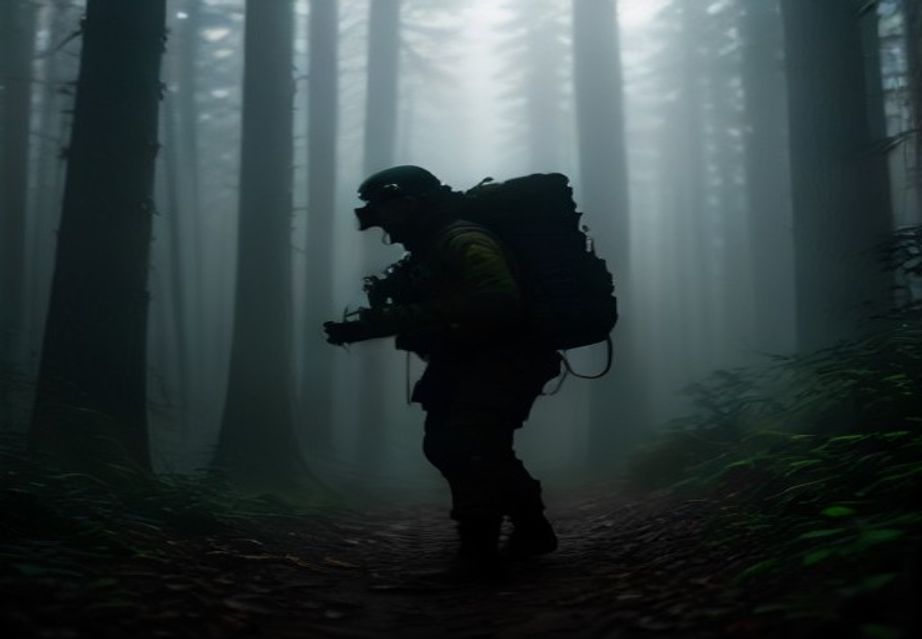
Bridging the Gap: Why Standard Military Fitness Isn't Enough for SAR Operations
The fitness standards required for military service are exceptionally high, demanding peak performance under controlled conditions. However, Search and Rescue (SAR) operations introduce a variable that standard military protocols often fail to adequately simulate: unpredictable, multi-day, low-intensity, high-stress physical exertion across adverse, uncontrolled environments. The core difference lies in the nature of the fatigue. Military fitness often tests maximum output over short bursts; SAR demands sustained, sub-maximal output over extended periods while managing cumulative systemic stress—be it cold, altitude, or caloric deficit.
To truly prepare for the demands of wilderness SAR, an operative must move beyond simply accumulating miles or lifting maximum weight. The focus must shift to metabolic efficiency and localized muscular resilience under duress. This means developing a specialized gms trainingsplan that prioritizes the ability to perform complex motor tasks—like navigating steep scree or carrying heavy equipment over uneven ground—when the body is already depleted. For instance, a standard military run might be performed on a flat, maintained track. In contrast, a SAR-specific assessment requires simulating a traverse across mixed terrain, where the muscle groups stabilize and compensate for unpredictable inclines and declines simultaneously.
Mastering Load-Bearing Capacity Beyond the Ruck
Load-bearing capacity is the cornerstone of SAR readiness. When you are carrying specialized gear—medical kits, communications equipment, climbing hardware, and survival supplies—the load is rarely static or perfectly balanced. It shifts, it chafes, and it forces compensatory movements that stress the core, hips, and shoulders in ways that simple weightlifting cannot replicate. Training for this capacity requires embracing the variable load.
The key tactical element here is not just the weight itself, but the manner in which the weight interacts with the body's biomechanics. We must train the stabilizing muscles—the deep core, rotator cuff, and intrinsic foot muscles—to fire correctly when the primary movers are fatigued. A concrete example of this is simulating a descent while carrying a fully loaded trauma pack. The weight pulls the spine forward, forcing the glutes and core to engage intensely just to maintain an upright posture. To address this, incorporating weighted carries that require lateral stability, such as carrying a pack and simultaneously navigating uneven, muddy ground, is far more beneficial than simply marching with a fixed weight on a treadmill.
The Endurance Paradigm: Sustained Effort Under Duress
True SAR endurance is not defined by the longest distance covered, but by the capacity to maintain functional output when oxygen debt is high and perceived effort is maximal. This is a metabolic challenge, requiring the body to efficiently switch between fat and carbohydrate utilization, a process that degrades rapidly under stress. Standard cardio routines often fail to replicate this prolonged, mixed-modality energy expenditure.
To improve this, the training must incorporate "specificity of stress." If your mission profile involves a 12-hour search in temperate forest, your training must mimic that duration and the type of movement. For example, instead of a single 8-mile run, structure a session that includes three distinct phases: 3 miles of high-power hiking (simulating initial search), followed by 4 miles of moderate-pace carrying (simulating sustained tracking), and concluding with 2 miles of rapid, low-intensity movement (simulating the final critical discovery). This progressive fatigue model forces the body to manage energy reserves across different metabolic demands, drastically improving the ability to sustain effort when the going gets tough.
Recovery Protocols: Treating Fatigue as a Skill
Many professionals mistakenly view recovery as passive—simply sleeping. In reality, recovery is an active, physiological skill that must be trained just as diligently as the physical activity itself. SAR work is characterized by acute, repetitive stress, leading to chronic inflammation and overuse injuries, particularly in the ankles, knees, and lower back. Ignoring recovery is the fastest route to operational failure.
A robust recovery protocol must be multimodal, addressing inflammation, mobility, and nervous system down-regulation. This means integrating practices like targeted mobility work, active recovery sessions (such as low-impact swimming or cycling), and dedicated nutritional strategies. Consider the scenario of a team operating for three days with limited sleep and high physical output. The cumulative impact demands more than just stretching. It requires pre-planned, low-impact restorative days that focus on restoring joint range of motion and addressing muscular imbalances created by the specific demands of the field. For deeper insight into tailoring physical training to specific goals, reviewing personalized workout plans and coaching resources can provide immediate, actionable steps.
Integrating the Protocol: Building the Adaptive Fitness Model
The final and most critical step is integrating these components—load-bearing, sustained effort, and recovery—into a cohesive, adaptive training model. This is where the specialized gms trainingsplan moves from theory to actionable reality. The goal is not to peak for a single event, but to maintain a high, consistent level of readiness across months of unpredictable deployments.
The adaptive model must utilize periodization, meaning the training load is systematically cycled through phases of high volume, high intensity, and dedicated recovery. This prevents burnout and allows the body to adapt progressively. A sample week might look like this:
- Day 1 (High Load): Rucking/Weighted Hike (Focus: Glute/Core endurance).
- Day 2 (Skill Focus): Technical Movement/Climbing Simulation (Focus: Upper body stability, grip).
- Day 3 (Active Recovery): Mobility, Core Work, Low-impact Cardio (Focus: Inflammation management).
- Day 4 (Endurance): Variable Terrain Run/March (Focus: Metabolic efficiency).
- Day 5 (Simulation): Full-Day Scenario Drill (Focus: Cumulative stress management).
This structured approach ensures that no single physiological system is neglected. It moves the professional from simply being "fit" to being truly "operationally ready." The commitment to continuous improvement and specialized training is what defines elite SAR capability.
Developing a highly specific and adaptable fitness regimen is the single most impactful step you can take today.
Ready to turn searches into booked jobs?
Global Muscle Summit — expert guides and resources.