Altitude Advantage: A Comprehensive GMS Training Protocol for High-Altitude Mountaineers
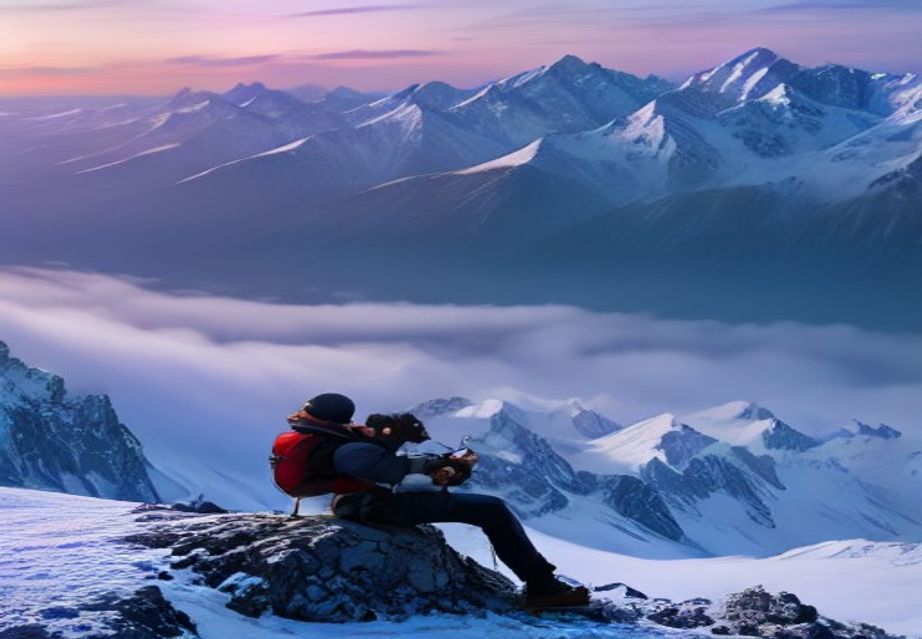
The Immediate Adaptation: Mastering Hypoxia Acclimatization
The single most actionable insight for any mountaineer starting their preparation today is that physical training alone is insufficient; the primary focus must shift to simulating and adapting to chronic hypoxia. Standard endurance running builds aerobic capacity, but it does not teach the body to maintain high metabolic efficiency when oxygen saturation drops below 85%. Your goal is not just to be fit, but to teach your blood, lungs, and muscles to operate optimally in a state of chronic, controlled oxygen deprivation.
To begin this process, incorporate controlled altitude simulation into your routine. This means utilizing hypoxic training chambers or, if those are unavailable, structured interval training performed at high intensity while restricting supplemental oxygen (if medically supervised). For example, if you are training at sea level, perform a 30-minute interval session where the last 10 minutes are performed with a targeted oxygen reduction (e.g., using specialized mask systems or simulated altitude zones). This forces the body to elevate its ventilatory drive and increase the efficiency of oxygen extraction at the cellular level—a crucial adaptation that cannot be achieved through standard training methods.
Optimizing Metabolic Efficiency Under Stress
High-altitude mountaineering is fundamentally a metabolic challenge, not just a cardiovascular one. At extreme elevations, the body must rapidly transition between aerobic and anaerobic energy systems while managing severely reduced oxygen delivery. This demands an optimized mitochondrial density and an enhanced capacity for fat oxidation. Relying too heavily on carbohydrate stores early in an ascent is a recipe for 'bonking' at the worst possible moment.
To specifically target this metabolic efficiency, implement "low-intensity, high-duration" training protocols that prioritize fat burning. These are not easy walks; they are sustained efforts (e.g., 4-6 hours) performed at a consistent, sub-maximal heart rate (Zone 2), ideally while carrying a weighted pack that mimics the load of your actual expedition gear. A concrete example involves a long-distance trek with a 30-40 lb pack, maintaining a steady pace up varied terrain, focusing on the rhythmic, efficient movement rather than speed. This teaches the body to become a highly efficient fat-burning machine, preserving limited glycogen stores for critical moments of ascent or emergency.
The Role of Specific Musculoskeletal Conditioning
While systemic adaptation is paramount, the specific musculature used in mountaineering—the calves, ankles, hip flexors, and core stabilizers—must be conditioned for extreme, repetitive stress. These are not the muscles trained by Olympic lifters; they are the resilient, endurance-focused stabilizers that prevent breakdown over weeks of grueling vertical gain. Ignoring these specific muscle groups leads to overuse injuries, poor biomechanics, and ultimately, failure.
Focus on unilateral and eccentric loading exercises. Instead of simply doing straight squats, incorporate Bulgarian split squats, single-leg Romanian deadlifts, and step-ups with weighted vests, ensuring the movement mimics the uneven, challenging footing of glacial terrain. For instance, when training for a traverse across a steep, uneven ridge, simulate that movement by performing weighted step-downs off a box, controlling the eccentric (lowering) phase for a full three seconds. This builds profound strength in the stabilizing tendons and muscles that are crucial for navigating the unpredictable footing of a high-altitude environment.
Mastering Respiratory and Circulatory Resilience
Altitude exposure triggers profound changes in blood chemistry, most notably increased erythropoietin (EPO) production and subsequent polycythemia (increased red blood cell count). While this is a natural adaptation, understanding how to support and manage this circulatory load is vital. The training protocol must therefore include components that improve overall blood flow and respiratory muscle endurance.
Beyond simply hiking, incorporate specific breathing drills. Practice controlled, diaphragmatic breathing while performing high-exertion tasks. This technique forces the diaphragm—the primary muscle of respiration—to work efficiently and helps maintain a stable heart rate variability even when the body is stressed. Furthermore, consider implementing structured cardiovascular drills that involve rapid changes in gradient (e.g., stairmaster or incline treadmill work). A highly effective, real-world preparatory measure involves the structured planning and execution of multi-day, high-elevation training treks, which is precisely the type of comprehensive guidance offered at https://globalmusclesummit.com/. This holistic approach ensures that the physical training is integrated with the mental and logistical demands of the expedition.
Nutrition and Recovery: The Forgotten Altitude Pillar
The physiological stress of high altitude is compounded by nutritional deficits and compromised recovery capabilities. At altitude, appetite often decreases, and the body’s ability to absorb and utilize nutrients—particularly carbohydrates and iron—is impaired. Therefore, the fueling strategy must be proactive, focusing on nutrient density, caloric efficiency, and mitigating inflammatory responses.
Prioritize anti-inflammatory foods and supplements that support blood oxygen transport. This includes iron-rich sources, Vitamin C (which aids iron absorption), and anti-inflammatory agents like Omega-3 fatty acids. On a daily basis, ensure adequate intake of electrolytes, particularly sodium, potassium, and magnesium, as the increased respiration rate at altitude leads to accelerated fluid and mineral loss. Furthermore, recovery must be systematic: combining active recovery (light walking) with targeted, low-impact modalities (such as specialized stretching or massage) prevents the cumulative muscle fatigue that can set back acclimatization efforts.
Implementing these deep, multi-faceted adaptations—from simulating hypoxia and optimizing fat metabolism to strengthening specific stabilizers and managing nutrition—is what separates a competent trekker from a true high-altitude athlete.
Focus your preparation on integrated, systemic adaptation rather than isolated strength gains.
Ready to turn searches into booked jobs?
Global Muscle Summit — expert guides and resources.